
Fashion is more than fabric and color. For young adults navigating emo and goth subcultures, every piece you wear signals who you are and what you stand for. Whether you lean toward emotional honesty or theatrical mystery, your clothing, hair, makeup, and accessories become tools for authentic self-expression. This guide explores the core criteria, signature elements, DIY customization techniques, and style comparisons that help you craft a fashion identity rooted in alternative aesthetics. You’ll learn actionable ways to stand out, personalize your look, and confidently blend subcultural signals with your unique voice.
Table of Contents
- Key takeaways
- Criteria for expressing your fashion identity in emo and goth styles
- Signature style elements: clothing, hair, makeup, and accessories
- DIY customization techniques to personalize your look
- Comparing emo and goth fashion identities: symbolism, emotion, and evolution
- Explore unique emo and goth fashion at NightSoulShop
- FAQ
Key Takeaways
| Point | Details |
|---|---|
| Expression categories | Clothing, hair, makeup, and accessories together signal emo or goth identity. |
| Emo vs Goth signals | Emo signals vulnerability and DIY spirit, while goth signals drama and romantic darkness. |
| DIY personalization essential | DIY customization is key to personalizing streetwear and expressing a unique voice. |
| Signature elements overview | Emo relies on black skinny jeans and band tees, while goth favors lace, velvet, corsets, and dramatic silhouettes. |
Criteria for expressing your fashion identity in emo and goth styles
Choosing how to express your identity starts with understanding the core ways to express fashion identity in emo and goth subcultures include clothing choices, hair, makeup, and accessories. These four categories shape every outfit and look you create. Emo fashion leans casual and emotional, favoring pieces that signal vulnerability and DIY spirit. Goth fashion is theatrical and atmospheric, emphasizing drama, mystery, and romantic darkness. Both styles reward individuality, so tailoring these elements to your personal taste is where authentic expression happens.
When evaluating your options, consider these criteria:
- Clothing: The foundation of your look. Emo uses skinny jeans, band tees, and hoodies. Goth favors lace, velvet, corsets, and long coats.
- Hair: Emo hair features side-swept bangs and bold colors like black with streaks. Goth hair is teased, voluminous, or sleek and dramatic.
- Makeup: Emo makeup is smudged eyeliner and natural skin. Goth makeup includes pale foundation, dark lips, and heavy eye shadow.
- Accessories: Emo uses studded belts, wristbands, and pins. Goth accessories include chokers, crucifixes, lace gloves, and statement jewelry.
Each criterion offers a spectrum of choices. You don’t need to adopt every element to claim a style. Start with pieces that resonate emotionally and build from there. Understanding these criteria helps you navigate the vast landscape of alternative fashion and make intentional choices that reflect your identity.
Signature style elements: clothing, hair, makeup, and accessories
Once you know the criteria, it’s time to explore the signature elements that define emo and goth aesthetics. Emo uses black skinny jeans, band tees, platform boots; goth favors lace, velvet, corsets, fishnets. These pieces are iconic because they carry subcultural meaning and visual impact. Emo clothing is approachable and DIY-friendly, often featuring graphic tees from punk and emo bands, distressed denim, and layered hoodies. Platform boots or Converse sneakers complete the look. Goth clothing is more theatrical, with flowing skirts, corsets, fishnet layers, and rich textures like velvet and lace. Combat boots or Victorian-inspired footwear add to the dramatic effect.
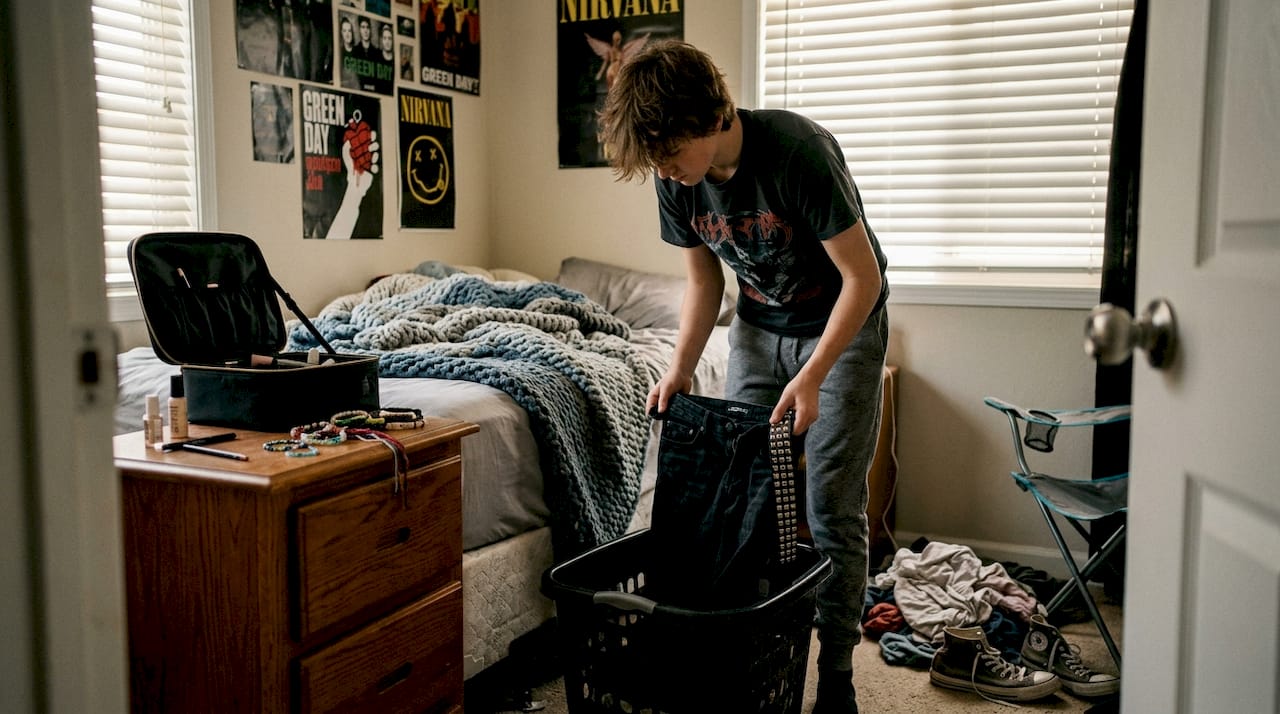
Hair is another powerful signal. Emo hair is typically straightened with side-swept bangs that cover one eye, dyed black or streaked with bright colors like red or purple. The style is casual but intentional, often styled to look effortless. Goth hair ranges from teased and voluminous to sleek and severe, often dyed jet black or deep jewel tones. Extensions, hair falls, and elaborate updos are common for special occasions.
Makeup defines the emotional tone of your look. Emo makeup is understated but edgy, featuring smudged black eyeliner, natural or slightly pale skin, and minimal lip color. The goal is to look raw and honest. Goth makeup is bold and theatrical, with pale foundation, heavy black eyeliner and shadow, dark lipstick in shades like black, deep red, or purple, and sometimes dramatic contouring. The effect is striking and otherworldly.
Accessories tie everything together. Emo accessories include studded belts, rubber wristbands, enamel pins, and messenger bags covered in patches. Goth accessories are more ornate: chokers with spikes or lace, crucifix necklaces, lace gloves, wide-brimmed hats, and statement rings. Both styles use accessories to add personality and subcultural signals to outfits.
Pro Tip: Start with one or two signature elements and build your wardrobe gradually. You don’t need a complete transformation overnight. A single statement piece can anchor your look while you explore other elements.
DIY customization techniques to personalize your look
Authentic alternative fashion thrives on DIY customization. DIY methods include distressing, adding studs, bleach painting, fabric dyeing, and layering textures for unique streetwear. These techniques let you transform thrifted or basic pieces into one-of-a-kind garments that reflect your personal vision. Distressing is one of the easiest methods: use sandpaper, scissors, or a razor blade to create rips, frays, and worn edges on jeans, shirts, and jackets. The imperfect, lived-in look signals authenticity and rebellion.
Adding hardware elevates any piece. Studs, spikes, chains, and patches can be sewn or glued onto jackets, belts, bags, and shoes. Metal hardware adds edge and texture, making even simple items look bold. Patches from your favorite bands or symbols that resonate with you personalize your clothing and tell your story. Bleach painting is another creative technique: use a spray bottle or paintbrush to apply bleach to black fabric, creating patterns, lyrics, or abstract designs. The bleach removes color, leaving striking contrasts.
Fabric dyeing lets you customize colors and create gradients or tie-dye effects. Black dye is a staple for goth fashion, but you can experiment with deep reds, purples, or greens. Layering textures adds depth and atmosphere to your outfits. Combine lace, mesh, fishnet, velvet, and denim in a single look to create visual interest. Layering also lets you mix emo and goth elements, creating hybrid styles that feel uniquely yours.
Pro Tip: Practice DIY techniques on thrifted or old clothes before customizing your favorite pieces. This builds confidence and lets you experiment without risk.
Key DIY techniques to try:
- Distress jeans and shirts with rips, frays, and bleach spots for a worn, rebellious look
- Sew or glue studs, spikes, and patches onto jackets, belts, and bags for added edge
- Use bleach to paint symbols, lyrics, or abstract designs on black fabric
- Dye fabrics black or experiment with deep jewel tones for custom colors
- Layer lace, mesh, and fishnet over solid pieces to create texture and depth
DIY customization is where your fashion identity becomes truly personal. Every modification reflects your creativity and vision, making your clothing an extension of who you are.
Comparing emo and goth fashion identities: symbolism, emotion, and evolution
Emo and goth styles share alternative roots but express different emotional and symbolic messages. Emo fashion signals emotional honesty and youthful angst; goth shows romanticism, mystery, and theatricality. Emo emerged from punk and hardcore scenes in the 1980s, evolving into a fashion identity tied to emotional vulnerability, introspection, and DIY ethics. The style is casual and accessible, favoring comfort and self-expression over polished perfection. Emo fashion signals that you’re in touch with your feelings and unafraid to show them.
Goth fashion has deeper historical roots, drawing from Victorian mourning dress, punk, and post-punk music scenes. It emphasizes mystery, death themes, romantic darkness, and theatrical presentation. Goth fashion is more formal and elaborate, often requiring more effort and attention to detail. The style signals that you embrace the darker, more complex aspects of existence and find beauty in the macabre.
Both styles have evolved significantly. Modern emo and goth fashion blend with streetwear, creating hybrids like e-boy and e-girl aesthetics. These hybrids combine subcultural signals with internet culture, graphic design elements, and contemporary silhouettes. Blending styles lets you craft a unique identity rooted in multiple subcultures, reflecting the fluid nature of modern fashion.
| Aspect | Emo Fashion | Goth Fashion |
|---|---|---|
| Emotional tone | Vulnerability, angst, honesty | Mystery, romance, theatricality |
| Clothing style | Casual, DIY, band tees, skinny jeans | Formal, elaborate, lace, velvet, corsets |
| Color palette | Black with bright accents (red, pink, purple) | Black, deep jewel tones, minimal color |
| Hair | Side-swept bangs, straightened, colored streaks | Teased, voluminous, sleek, jet black |
| Makeup | Smudged eyeliner, natural skin | Pale foundation, dark lips, heavy shadow |
| Accessories | Studded belts, wristbands, pins | Chokers, crucifixes, lace gloves, statement jewelry |
| Cultural roots | Punk, hardcore, 1980s emo music | Victorian mourning, punk, post-punk |
| Modern evolution | E-boy/girl, pop-punk revival | Romantic goth, nu-goth, witchy aesthetics |
Understanding these differences helps you decide which style resonates more deeply or how you want to blend them. Neither style is static. Both evolve as new generations reinterpret subcultural signals through contemporary lenses.
“Fashion is about expressing who you are without having to speak. In emo and goth subcultures, your clothing, hair, and makeup become a language that communicates your values, emotions, and identity to the world.”
Pro Tip: Don’t feel pressured to choose one style exclusively. Many people blend emo and goth elements to create a personal aesthetic that reflects multiple influences. Experimentation is part of the journey.
Explore unique emo and goth fashion at NightSoulShop
Now that you understand the criteria, signature elements, DIY techniques, and symbolic differences between emo and goth fashion, it’s time to find pieces that bring your vision to life. NightSoulShop offers curated emo and goth apparel and accessories designed for young adults who want to express their identity through alternative fashion. Whether you’re building your first alternative wardrobe or adding statement pieces to your collection, you’ll find unique clothing that complements your DIY projects and personal style.
Explore the alternative fashion store to discover dark, edgy streetwear with bold details and strong silhouettes. Every piece is designed to help you stand out online and in real life, reflecting the rebellious spirit of emo and goth subcultures. Shop confidently knowing the styles are tailored to subcultural aesthetics and crafted for people who refuse to blend in.
FAQ
How can I start expressing my emo or goth fashion identity?
Start by exploring signature clothing and makeup that resonate with your emotional style. Choose one or two core elements like a band tee and skinny jeans for emo, or a corset and fishnet layers for goth. Personalize these pieces with DIY techniques like distressing or adding studs to make them uniquely yours. Building your fashion identity is a gradual process, so experiment and refine your look over time.
What are affordable ways to customize my emo or goth look?
Use thrifted clothes as your canvas and add studs, patches, or bleach designs yourself to create custom pieces. Layer textures like lace or mesh over basic items to add depth and visual interest without high cost. DIY customization transforms inexpensive clothing into statement pieces that reflect your personal vision and subcultural identity.
Can I blend emo and goth styles for my fashion identity?
Yes, hybrids like e-boy and e-girl combine emo and goth signals with modern streetwear elements. Blending lets you craft a unique identity rooted in multiple subcultures, reflecting your diverse influences and personal taste. Many people mix emo’s casual emotional honesty with goth’s theatrical mystery to create looks that feel authentically theirs.
What makeup techniques work best for emo and goth styles?
Emo makeup focuses on smudged black eyeliner around the eyes with natural or slightly pale skin and minimal lip color. Goth makeup uses pale foundation, heavy black eyeliner and shadow, and dark lipstick in shades like black or deep red. Both styles emphasize the eyes as the focal point, but goth makeup is more dramatic and theatrical.
How do I choose accessories that match my alternative fashion identity?
Emo accessories include studded belts, rubber wristbands, enamel pins, and messenger bags with patches. Goth accessories feature chokers with spikes or lace, crucifix necklaces, lace gloves, and statement rings. Choose accessories that align with the emotional tone you want to convey and that complement your clothing and makeup choices.