
You’ve got a closet full of edgy pieces, but layering them into a cohesive look feels like solving a puzzle blindfolded. Too many layers and you look bulky. Too few and your outfit falls flat. Mastering layering transforms your alternative fashion game from trial and error into intentional style expression. This guide walks you through preparation, execution, troubleshooting, and achieving standout results that showcase your unique identity through expertly layered outfits.
Table of Contents
- Key takeaways
- Gathering your layering essentials: preparation for alternative fashion
- Step-by-step layering techniques to create unique outfits
- Troubleshooting common layering mistakes and how to fix them
- Expected results: expressing individuality through successful layering
- Explore unique pieces to elevate your alternative style
- Frequently asked questions about layering for alternative fashion
Key Takeaways
| Point | Details |
|---|---|
| Preparation basics | Audit your closet for pieces that work across multiple layering contexts and prepare a solid base and mid layer set. |
| Layering sequence | Build progressively from your base layer to a mid layer and then to an outer layer to create depth while maintaining wearability. |
| Texture and color rules | Introduce texture and color contrast while keeping patterns to one or two layers to avoid visual chaos. |
| Statement outer layer | Choose a bold outer layer to serve as the focal point and define the overall silhouette. |
| Accessories finishing touches | Keep accessories visible and balanced to add dimension without overpowering the main pieces. |
Gathering your layering essentials: preparation for alternative fashion
Before you start stacking garments, you need a strategic wardrobe foundation. The difference between looking intentionally edgy and accidentally disheveled comes down to having the right pieces ready. Start by auditing your closet for items that work in multiple layering contexts.
Your base layer collection should include fitted essentials like slim long-sleeve shirts, thermal tops, and body-hugging tees in neutral blacks, grays, and whites. These create clean silhouettes that don’t add bulk under heavier pieces. Next, gather mid-layer options with varied textures: mesh tops, distressed band tees, lightweight hoodies, and flannel shirts offer visual interest without overwhelming your frame. Essential layering pieces include fitted basics, statement outerwear, and accessories that add texture to your overall aesthetic.
Statement outer layers deserve special attention. Oversized leather jackets, longline cardigans, bomber jackets with unique hardware, and structured blazers serve as focal points. Look for pieces with interesting details like asymmetric zippers, metal accents, or unconventional cuts. Your outer layers communicate your alternative identity most loudly, so prioritize quality and distinctiveness here.
Organize your wardrobe by layering potential rather than traditional categories. Group items by weight and texture so you can quickly identify compatible combinations. Create a color palette system that allows mixing without clashing. Most alternative fashion enthusiasts build around black foundations, then introduce accent colors like deep burgundy, forest green, or metallic silver strategically.
Pro Tip: Keep a dedicated accessories section with chains, chokers, belts, and layering necklaces visible. These finishing touches transform basic layering into personalized statements. A simple black outfit becomes distinctly yours when you add the right hardware.
Essential layering categories for alternative fashion:
- Fitted base layers in breathable fabrics
- Textured mid-layers with visual interest
- Statement outer layers with bold details
- Accessories that add dimension and personality
- Footwear that balances proportions
| Layer type | Fabric examples | Fit guidelines |
|---|---|---|
| Base | Cotton, modal, thermal knit | Slim to body, no bunching |
| Mid | Mesh, flannel, distressed cotton | Relaxed but structured |
| Outer | Leather, denim, heavyweight cotton | Oversized or tailored |
| Accessories | Metal, faux leather, chain | Varied lengths and textures |
Step-by-step layering techniques to create unique outfits
Layering execution follows a deliberate sequence that builds dimension without sacrificing wearability. Start with your fitted base layer directly against your skin. This foundation should feel comfortable for extended wear and provide a smooth surface for additional layers. A black long-sleeve fitted tee or thermal top works perfectly as your canvas.
Add your first mid-layer with intentional contrast. If your base is solid black, introduce texture through a mesh overlay, distressed graphic tee, or sheer fabric. Layering starts with base pieces and builds up to statement outerwear to maintain balance and visual appeal. The key is creating visible separation between layers so each piece contributes to the overall aesthetic rather than blending into visual noise.
Now introduce pattern or color strategically. A flannel shirt worn open over your textured mid-layer adds depth without overwhelming your silhouette. Keep patterns confined to one or two layers maximum. Mixing too many prints creates visual chaos that distracts from your intentional alternative vibe. If you’re wearing a patterned mid-layer, keep your outer layer solid.
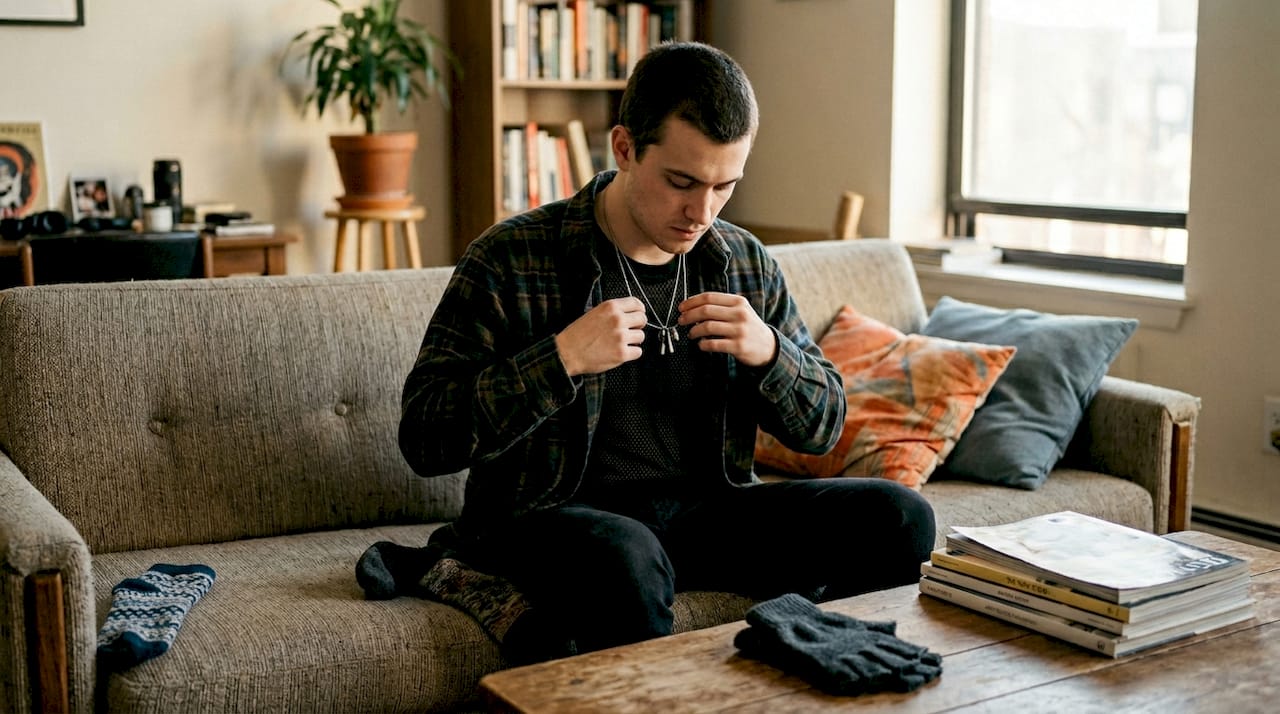
Your outer layer should serve as the statement piece that ties everything together. An oversized leather jacket, structured blazer with metal details, or longline cardigan with asymmetric cut becomes your focal point. This layer should be substantial enough to anchor the look but not so heavy that it hides the carefully constructed layers beneath. Leave it partially open or style it off one shoulder to reveal the texture play underneath.
Pro Tip: Use the rule of thirds for layering lengths. Your base should hit at hip level, mid-layers at mid-thigh, and outer layers at knee or longer. This creates visual flow that guides the eye downward and maintains proportional balance.
Step-by-step layering sequence:
- Start with fitted base layer in neutral color
- Add textured mid-layer for visual interest
- Introduce pattern or color through open shirt or lightweight jacket
- Top with statement outer layer as focal point
- Accessorize with chains, belts, or layered necklaces
- Balance proportions with appropriate footwear
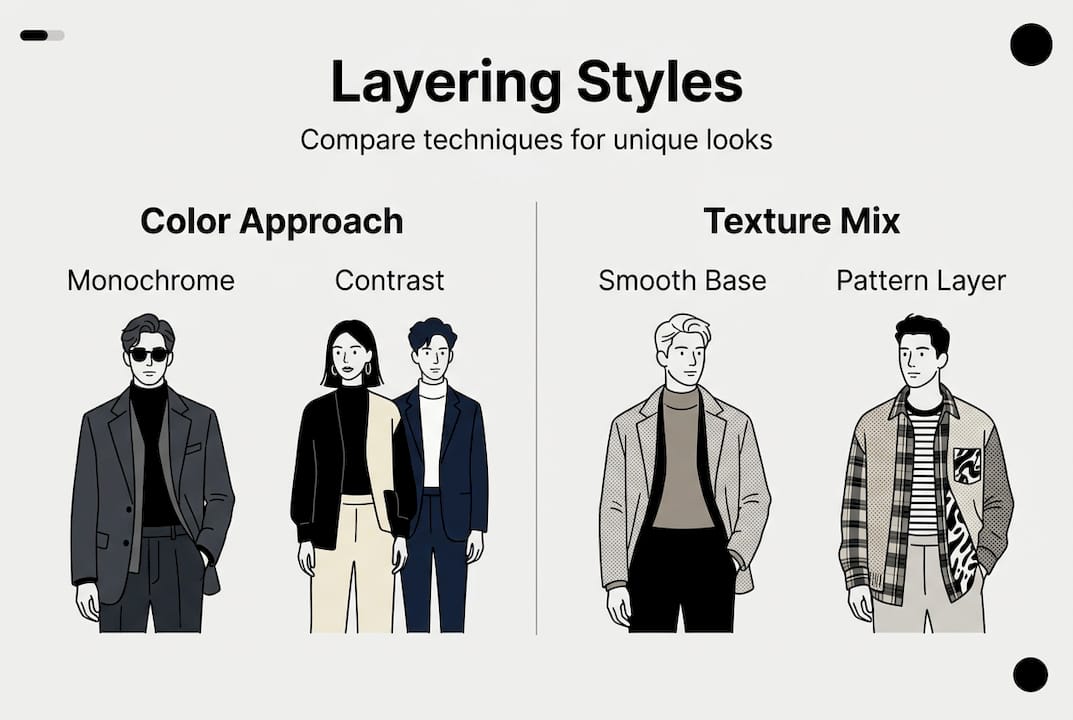
| Layering approach | Best for | Key consideration |
|---|---|---|
| Monochromatic stacking | Minimalist alternative aesthetic | Vary textures significantly |
| Contrast layering | Bold, eye-catching looks | Limit patterns to one layer |
| Asymmetric styling | Avant-garde, experimental fashion | Maintain balance on opposite side |
| Deconstructed layering | Edgy, rebellious vibe | Ensure intentional, not messy |
Troubleshooting common layering mistakes and how to fix them
Even experienced alternative fashion enthusiasts hit layering roadblocks. The most frequent mistake is overbulking, where too many thick fabrics create unflattering volume. If you feel restricted or your silhouette looks shapeless, you’ve crossed into excessive territory. The fix is simple: swap one heavy layer for a lightweight alternative with interesting texture. Replace that thick hoodie with a mesh long-sleeve or sheer overlay that adds visual dimension without physical bulk.
Color clashing destroys otherwise solid layering attempts. Common layering errors include clashing colors, disproportionate silhouettes, and ignoring fabric breathability. While alternative fashion embraces bold choices, random color combinations read as careless rather than creative. Stick to a cohesive palette: build around black, then introduce one or two accent colors maximum. If you’re wearing burgundy and forest green together, ensure they appear in similar saturation levels so neither overwhelms the other.
Disproportionate silhouettes happen when layer lengths compete rather than complement. Three layers all hitting at the same hip point create a horizontal line that shortens your frame and looks unfinished. Vary your lengths intentionally. If your base and mid-layer both hit at hip level, your outer layer should extend significantly longer to create visual flow. Alternatively, keep your outer layer cropped and let a longer mid-layer peek out beneath for unexpected dimension.
Comfort issues signal poor fabric choices or improper fit. Layering should never restrict your movement or cause overheating. If you’re constantly adjusting or feeling suffocated, reassess your fabric weights. Alternative fashion works year-round when you choose breathable base layers, strategic mid-layers, and removable outer pieces. In warmer months, focus on lightweight mesh and sheer fabrics. In winter, invest in thermal bases that provide warmth without bulk.
Pro Tip: Take photos of your layered outfits from multiple angles. What feels balanced in the mirror might photograph awkwardly. Checking your look through a camera lens reveals proportional issues and color clashes you might miss in person.
“The difference between looking like you tried too hard and achieving effortless alternative style is editing. Remove one layer if you’re questioning the look. Simplicity with intention always wins over complexity without purpose.”
Quick fixes for common layering problems:
- Feeling bulky: Replace one thick layer with lightweight textured alternative
- Colors clashing: Remove accent colors and rebuild around monochromatic base
- Restricted movement: Size up on outer layers or choose stretchier fabrics
- Looking shapeless: Add a belt or structure piece to define waist
- Overheating: Swap solid layers for mesh or sheer alternatives
- Proportions off: Vary layer lengths by at least 4 inches each
Expected results: expressing individuality through successful layering
When you nail alternative fashion layering, the results extend beyond aesthetics into genuine self-expression. Your outfits become three-dimensional canvases that communicate your identity without words. Each layer tells part of your story, from the fitted base that grounds you to the statement outer piece that announces your presence. People notice the thought and creativity in your presentation.
Confidence shifts dramatically when your external appearance aligns with your internal identity. Successful layering enhances personal style expression and boosts confidence in alternative fashion circles. You stop second-guessing outfit choices because you understand the principles guiding your decisions. That certainty translates into how you carry yourself, interact with others, and navigate spaces where alternative fashion might stand out.
Versatility becomes your superpower. A well-layered wardrobe adapts across seasons, occasions, and moods without requiring constant shopping. Your summer mesh and base layer combination transitions to fall by adding a flannel mid-layer. Winter demands your heavyweight outer pieces, while spring lets you strip back to lighter textures. The same core pieces recombine into dozens of distinct looks, maximizing your wardrobe investment.
Creative freedom flourishes once you master foundational techniques. You start experimenting with asymmetric styling, deconstructed elements, and unexpected texture pairings. Rules become guidelines you can intentionally break for effect. Your personal style evolves from copying alternative fashion inspiration to creating looks others want to emulate.
Pro Tip: Document your favorite layering combinations with quick phone photos. Build a personal lookbook that serves as inspiration on days when creativity feels elusive. You’ll spot patterns in what works for your body type and aesthetic preferences.
Measurable outcomes from mastering layering:
- Create 20 to 30 unique outfits from 15 core pieces
- Reduce decision fatigue through systematic approach
- Extend wardrobe functionality across all four seasons
- Develop signature style others recognize as distinctly yours
- Increase comfort and confidence in alternative fashion spaces
| Success indicator | What to look for | Timeline |
|---|---|---|
| Visual cohesion | Layers work together, not competing | Immediate |
| Comfort level | No restriction, appropriate temperature | First wear |
| Compliments received | Others notice and ask about your style | Within weeks |
| Wardrobe efficiency | More outfits from fewer pieces | 1 to 2 months |
| Style confidence | Less second-guessing, more experimentation | 2 to 3 months |
Explore unique pieces to elevate your alternative style
Your layering skills deserve a wardrobe that matches your ambition. Finding pieces with the right edge, quality, and distinctiveness transforms good layering into exceptional personal style. You need statement outerwear with bold hardware, textured mid-layers that add dimension, and accessories that complete your vision.
Night Soul curates alternative fashion pieces designed specifically for layering enthusiasts who refuse to blend in. Our collection features oversized jackets with asymmetric cuts, distressed basics that serve as perfect mid-layers, and accessories with the metal details that define alternative aesthetics. Every piece works within layering systems while standing strong as individual statements. Explore our alternative fashion collection to discover versatile items that support your creative layering journey and express your rebellious identity.
Frequently asked questions about layering for alternative fashion
How do I start layering if I’m new to alternative fashion?
Begin with a simple three-layer system: fitted black base, textured mid-layer like a mesh top or open flannel, and one statement outer piece such as a leather jacket. Master this foundation before adding complexity. Focus on comfort and proportion first, then experiment with bolder combinations as your confidence grows.
What are the best fabrics for layering comfortably?
Cotton blends, modal, and thermal knits work best for base layers because they breathe while staying close to skin. Mid-layers benefit from mesh, lightweight flannel, and distressed cotton that add texture without bulk. Outer layers in leather, denim, or heavyweight cotton provide structure and weather protection. Avoid polyester bases that trap heat and cause discomfort during extended wear.
Can I layer with patterns or prints successfully?
Absolutely, but limit patterns to one or two layers maximum within a single outfit. Pair a patterned flannel with solid layers above and below, or wear a graphic tee under solid outer pieces. Keep patterns in similar color families to maintain cohesion. Mixing too many competing prints creates visual noise that distracts from your intentional alternative aesthetic.
How do I adjust my layering for different weather conditions?
Warm weather demands lightweight, breathable fabrics like mesh and sheer materials that create visual layers without physical heat. Focus on two to three thin layers maximum. Cold weather allows heavier fabrics and more layers, but maintain the fitted-to-loose progression. Invest in quality thermal bases that provide warmth without bulk, letting you preserve your silhouette even in winter.
What accessories work best with layered alternative outfits?
Layered necklaces in varying lengths complement layered clothing by extending the dimensional effect upward. Chains, chokers, and metal hardware echo the edgy aesthetic of alternative fashion. Belts define waistlines in oversized layers and add functional style. Rings, cuffs, and ear jewelry complete the look without competing with your carefully constructed garment layers. Choose accessories in metals and textures that match your outfit’s overall vibe.
How many layers should I wear at once?
Three to four layers typically create optimal visual interest without overwhelming your frame or restricting movement. This includes your base layer, one to two mid-layers, and a statement outer piece. Accessories count as finishing elements rather than full layers. If you exceed four garment layers, ensure at least one is sheer or mesh to prevent bulk. Quality layering prioritizes intentional dimension over sheer quantity of pieces.